Simple fitness exercises can help to have a fitter and healthy life. Stretching exercises can help in many ways in mainting a fitter body. Weight loss can be achieved by following simple effortless regular exercises. Medical breakthroughs can happen by regular meditation and exercising. Yoga and other workouts which can be performed easily are available in this website to keep you fit and healthy.
Health and Fitness can make all that difference in one's life. Healthy living is all that one needs and to achieve that we picked up the best of the articles from reliable sources and have presented here in an organized manner. You might not be able to spend your valuable time on complicated medications and diet controls, but. you can find articles to help you have a better living using simple and easy technics.
Ayurveda, a science in vogue practiced since centuries, uses a wide variety of plants, animal origin substances, mineral and metallic substances to rebalance the diseased condition in the sick. A few tips on simple treatment of life style diseases have been carefully picked for the visitors of this website. These tips can help reduce or control diseases like diabetes, cholesterol, blood pressure, etc.

Healthy Eating Habbits
Whether you have a toddler or a teen, here are five of the best strategies to improve nutrition and encourage smart eating habits:
- Have regular family meals.
- Serve a variety of healthy foods and snacks.
- Be a role model by eating healthy yourself.
- Avoid battles over food.
- Involve kids in the process.
But it's not easy when everyone is juggling busy schedules and convenience food, such as fast food, is so readily available.
Here are some ways to incorporate all five strategies into your routine.
Family Meals
Family meals are a comforting ritual for both parents and kids. Children like the predictability of family meals and parents get a chance to catch up with their kids. Kids who take part in regular family meals are also:
- more likely to eat fruits, vegetables, and grains
- less likely to snack on unhealthy foods
- less likely to smoke, use marijuana, or drink alcohol
In addition, family meals offer the chance to introduce kids to new foods and to act as a role model for healthy eating.
Teens may turn up their noses at the prospect of a family meal — not surprising because they're busy and want to be more independent. Yet studies find that teens still want their parents' advice and counsel, so use mealtime as a chance to reconnect. Also, consider trying these strategies:
- Allow your teen to invite a friend to dinner.
- Involve your teen in meal planning and preparation.
- Keep mealtime calm and congenial — no lectures or arguing.
What counts as a family meal? Any time you and your family eat together — whether it's takeout food or a home-cooked meal with all the trimmings. Strive for nutritious food and a time when everyone can be there. This may mean eating dinner a little later to accommodate a child who's at sports practice. It can also mean setting aside time on the weekends, such as Sunday brunch, when it may be more convenient to gather as a group.
Health

Health is the general condition of a person in all aspects. It is also a level of functional and/or metabolic efficiency of an organism, often implicitly human.
At the time of the creation of the World Health Organization (WHO), in 1948, health was defined as being "a state of complete physical, mental, and social well-being and not merely the absence of disease or infirmity.Only a handful of publications have focused specifically on the definition of health and its evolution in the first 6 decades. Some of them highlight its lack of operational value and the problem created by use of the word "complete." Others declare the definition, which has not been modified since 1948, "simply a bad one."
In 1986, the WHO, in the Ottawa Charter for Health Promotion, said that health is "a resource for everyday life, not the objective of living. Health is a positive concept emphasizing social and personal resources, as well as physical capacities." Classification systems such as the WHO Family of International Classifications (WHO-FIC), which is composed of the International Classification of Functioning, Disability, and Health (ICF) and the International Classification of Diseases (ICD) also define health.
Overall health is achieved through a combination of physical, mental, emotional, and social well-being, which, together is commonly referred to as the Health Triangle.
At the time of the creation of the World Health Organization (WHO), in 1948, health was defined as being "a state of complete physical, mental, and social well-being and not merely the absence of disease or infirmity.Only a handful of publications have focused specifically on the definition of health and its evolution in the first 6 decades. Some of them highlight its lack of operational value and the problem created by use of the word "complete." Others declare the definition, which has not been modified since 1948, "simply a bad one."
In 1986, the WHO, in the Ottawa Charter for Health Promotion, said that health is "a resource for everyday life, not the objective of living. Health is a positive concept emphasizing social and personal resources, as well as physical capacities." Classification systems such as the WHO Family of International Classifications (WHO-FIC), which is composed of the International Classification of Functioning, Disability, and Health (ICF) and the International Classification of Diseases (ICD) also define health.
Overall health is achieved through a combination of physical, mental, emotional, and social well-being, which, together is commonly referred to as the Health Triangle.
Healthy Eating Habits
Healthy Eating Habits Dos and Don'ts
1. Do set a good example for your child to copy. Share mealtimes and eat the same healthy foods.
2. Do discourage snacking on sweets and fatty foods. Keep plenty of healthy foods, such as fruits, raw vegetables, low-fat crackers, and yogurt, around for children to eat between meals.
3. Do allow children to follow their natural appetites when deciding how much to eat.
4. Do encourage children to enjoy fruits and vegetables by giving them a variety from an early age.
5. Don't give skim or 1-percent-fat milk to children under the age of 5 unless your doctor prescribes it; at this stage, children need the extra calories in whole milk.
6. Do ask children to help prepare meals. If parents rely mostly on convenience foods, children may not learn to enjoy cooking.
7. Don't add unnecessary sugar to drinks and foods.
8. Don't accustom children to extra salt by adding it to food or placing the shaker on the table.
9. Don't give whole nuts to children under the age of 5, who may choke on them. Peanut butter and chopped nuts are fine as long as the child is not allergic to them.
10. Don't force children to eat more than they want.
11. Don't use food as a bribe.
12. Don't make children feel guilty about eating any type of food.
2. Do discourage snacking on sweets and fatty foods. Keep plenty of healthy foods, such as fruits, raw vegetables, low-fat crackers, and yogurt, around for children to eat between meals.
3. Do allow children to follow their natural appetites when deciding how much to eat.
4. Do encourage children to enjoy fruits and vegetables by giving them a variety from an early age.
5. Don't give skim or 1-percent-fat milk to children under the age of 5 unless your doctor prescribes it; at this stage, children need the extra calories in whole milk.
6. Do ask children to help prepare meals. If parents rely mostly on convenience foods, children may not learn to enjoy cooking.
7. Don't add unnecessary sugar to drinks and foods.
8. Don't accustom children to extra salt by adding it to food or placing the shaker on the table.
9. Don't give whole nuts to children under the age of 5, who may choke on them. Peanut butter and chopped nuts are fine as long as the child is not allergic to them.
10. Don't force children to eat more than they want.
11. Don't use food as a bribe.
12. Don't make children feel guilty about eating any type of food.
Easy, Healthful Snacks
Stock up on healthful snacks that children and teenagers can nibble on throughout the day.
Stock up on healthful snacks that children and teenagers can nibble on throughout the day.
- Breads and crackers with spreads such as peanut butter, low-fat cheese, canned tuna or sardines, and lean cold cuts.
- Rice cakes and whole-grain crackers or breadsticks.
- Fresh and dried fruits.
- Yogurt.
- Sticks of carrot, celery, or other raw vegetables, and cherry tomatoes with nutritious dips.
- Plain popcorn.
- Breakfast cereals.
- Water, milk, or fruit juice.
Children and Junk Food
Junk Food

Children find themselves amidst a complex society that is undergoing breathtaking changes. Concepts, relationships, lifestyles are metamorphisised to accommodate the new jet-setting age. Food is no exception. Healthy nutritious foods have been replaced by the new food mantra - JUNK FOOD! Junk food comprises of anything that is quick, tasty, convenient and fashionable. It seems to have engulfed every age; every race and the newest entrants are children. Wafers, colas, pizzas and burgers are suddenly the most important thing. The commonest scenario is a child who returns from school and plonks himself in front of the television, faithfully accompanied by a bowl of wafers and a can of cola. Children suddenly seem to have stepped into a world of fast foods and vending machines, totally unaware of the havoc they are creating for themselves.
The years between 6-12 are a time of steady growth; good nutrition is a high priority. Children must know that what they eat affects how they grow, feel and behave. Changes in our society have intensified the need for food skills, to the extent that they need to become a part of the child's basic education for good health and survival. The vast majority of working mothers with school age children are laboured with exhausting commutes, upswings in the households, and stress, leading to a situation where parents get to spend limited time with their children. Traditional food skills are not passed on automatically from parent to child. Most people have forgotten that the primary reason for eating is nourishment. In the not so distant past, food was treated with reverence because of its life sustaining quality. Enjoying a meal was sharing experience with the others. Today family dinners are rare. In many ways, our culture is structured to foster poor eating habits. Television commercials and supermarkets are propagating a wide variety of enticing junk foods, attractively packaged and often tagged with a tempting sop. We should be constructing an environment that protects our children. Instead we have a highly seductive environment that undermines eating habits.
For children who have less vision of the heart disease, cancer, high blood pressure or diabetes that might befall them decades later, the tentacles of a junk food environment are virtually inescapable. Studies reveal that as early as the age of 30, arteries could beginning clogging and lay the groundwork for future heart attacks. What children eat from puberty affects their risks of prostate and breast cancer. Osteoporosis and hypertension are other diseases that appear to have their earliest roots in childhood when lifelong eating habits are being formed. Children are especially vulnerable. Poor diets can slow growth, decay new teeth, promote obesity and sow the seeds of infirmity and debilitating disease that ultimately lead to incurable disease and death or worse make life insufferable.
Most of the times these junk foods contain colors that are laced with colors, those are often inedible, carcinogenic and harmful to the body. These foods and their colors can affect digestive systems, the effects of it emerging after many years. Studies have found that food coloring can cause hyperactivity and lapses of concentration in children. Children suffering from Learning Disabilities are often advised against eating food with artificial coloring. Chocolates, colas, flavored drinks and snack tit bits are full of artificial coloring.
Not surprisingly, junk food not only has physiological repercussions, but also psychological ones - far reaching ones that affect the child's intellect and personalities. Coping intelligently with their dietary needs increases their self-esteem, and encourages further discovery. School days are full of educational challenges that require long attention spans and stamina. Poor nutritional habits can undermine these pre-requisites of learning, as well as sap the strength that children need for making friends, interacting with family, participating in sports and games or simply feeling god about themselves.
Junk foods are often eaten in instead of regular food, an essential Indian diet that consists of wholesome chapatis and vegetables or snacks like upmas and idlis. Not surprisingly eating junk food leads to a sense of starvation both physically and mentally, as the feeling of satiation and contentment that comes after a wholesome meal is absent. There is simply no substitute for the feeling that descends, when you wake up and find that you are ready to take on the world and this primarily stems from GOOD HEALTH! There is no better time than now to build a supportive environment for nurturing our children and endowing them with a legacy of good health.
Pumpkin Pie Recipe

- Unsweetened pumpkin - 15 oz (1can)
- Pumpkin pie spice - 1 3/4 tsp
- Brown sugar - 3/4 cup
- Salt - 1/4 tsp
- Egg (large) - 1
- Egg whites - 2
- Evaporated low fat milk - 12 oz
- Pillsbury pie crust - 1 package
Pumpkin pie cooking instructions:
- In a large bowel, combine and mix the pumpkin pie spice, salt, evaporated milk, egg whites, egg, and brown sugar. Mix well using a whisk.
- Add in the pumpkin and keep mixing until smooth.
- Roll the pie crust on a pie dish.
- Add in the pumpkin pie filling.
- Preheat oven to 425, and then bake at 425 for 10 minutes.
- Reduce oven temperature to 350 and bake for 50 minutes.
Banana Bread Recipe
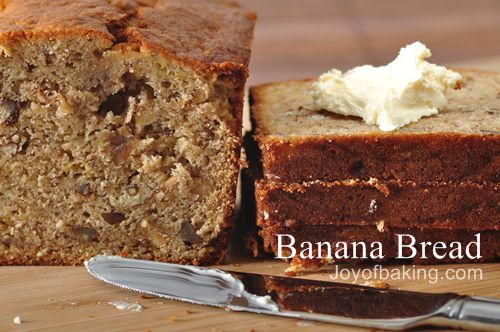
- Rip bananas (mashed up) - 3 bananas
- All purpose flour - 2 cups
- Baking soda - 3/4 tsp
- Sugar - 1 cup
- Salt - 1/2 tsp
- Vanilla extract - 1 tsp
- Low fat butter - 1/4 cup
- Low fat yogurt - 1/3 cup
- Eggs - 2
Banana bread cooking instructions:
- Mix the all purpose flour with baking soda, and salt. Combine well using a whisk.
- In another bowl, put in the butter, and sugar. Using a mixer to blend it well.
- Add in the eggs slowly, while using the mixer to blend the mixture.
- Add in bananas, yogurt, vanilla extract, and mix thoroughly until smooth.
- Slowly add in the flour mixture and continue to mix using the mixer until well blended.
- Preheat the oven to 350.
- Place the mixture into a loaf pan coated with cooking spray.
- Bake at 350 for about one hour until cooked.
RICE WITH GREEN PEAS AND ALMONDS

This dish is ideal for party catering or for a special lunch or dinner. Preparation Time: 5 minutes Cooking Time: 30-40 minutes. Serves 4 to 5 persons
Ingredients
1 cup basmati or other long grain white rice
4 green cardamom pods
2 cups water
¾ teaspoon salt
¼ teaspoon turmeric
3 tablespoons ghee or oil
One 4 cm cinnamon stick
6 whole cloves
1/3 cup slivered or sliced almonds1 cup fresh or frozen peas
Method
Wash, drain and dry the rice. Lightly tap each cardamom pod to partially crush. Bring the water, salt and turmeric slowly to a boil in a 2-liter saucepan over moderate heat. Heat the ghee or oil in another 3 liter saucepan over moderately low heat. Fry the cinnamon stick, cloves, bruised cardamom pods and almonds in the hot ghee until the almonds turn pale golden brown.
Add the rice and sauté for about two minutes or until the grains turn whitish. Pour in the boiling salted turmeric water and fresh peas( defrosted frozen peas should be added after the rice has been cooking for about 10minutes) Stir, increase the heat to high, and bring the water to a full boil. Immediately reduce the heat to low, cover with a tight fitting lid, and gently simmer, without stirring, for 15-29 minutes or until all the water is absorbed and the rice is tender and flaky.
Tips for Keeping your Kids Hydrated

Why? You've probably heard about "hydration," or "staying hydrated." The need hydrate" is just another way of saying, "Drink plenty of fluids throughout the day." But not just any fluids -- because the kinds of liquids kids drink are just as important the foods they eat.
Why water? Quite simply, water is the most needed nutrient of all. In fact, most the human body is made of water. If your child weighs 90 pounds, about 63 of pounds are nothing but water! On a regular day, your child's body loses two to three liters of water. Add some physical activity or sweat, and he or she can lose even more. That's why it's important for your kids to take in plenty of fluids.
Why low-fat (1%) or fat -free milk? They help replace fluid in your child's system. It also provides vitamins and helps build strong bones. Plus, it has protein other nutrients—without the saturated fat and high calories of whole milk. Have child aim for 3 cups of low-fat (1%) or fat-free milk each day.
Why 100% juice? 100% fruit juices are naturally sweet and delicious -- without added sugar, preservatives or unhealthy ingredients. Too much added sugar in child's diet can lead to health problems.
What about soda? You might be thinking, "Sodas have water, right?" That's but sodas don't add vitamins or nutrients. Also, consider this: There are about calories in a 20 oz. soda served at a restaurant. With only a few free refills, your might be drinking 1,000 calories!
How to hydrate: Below are some tips for keeping your kids hydrated.
- Tinkle Test: How can you tell if your kids are getting enough fluids? Ask them to check the color of their urine! If it's clear or light yellow, they're getting enough. The darker it is, the more liquids they need to replace.
- Keep it Handy: Have your kids carry a water bottle. And keep a pitcher of water in the refrigerator, so it's cold and refreshing.
- Don't Run Out: If your child is playing, running, jumping and sweating, he or she needs even more water and other fluids.
- Fill'Er Up: Drinking a glass of water before a meal can help your kids feel full and resist the urge to eat more than they need.
- Eat Your Water: Remember the rule about eating more fruits and vegetables? Well, it's partly because they're actually good at replacing fluids. Fruits like grapes, watermelon, oranges or cantaloupe are full of water. So are veggies like lettuce, cucumbers and celery. Just be sure to keep the liquids flowing, too.
Junk Food
Junk food is a food which are perceived to have little or no nutritional value, or to products with nutritional value but which also have ingredients considered unhealthy when regularly eaten, or to those considered unhealthy to consume at all. Foods more likely to be considered junk food generally are those that are more convenient and easy to obtain in a ready-to-eat form, though being such does not automatically define the food as "junk food." Ever get a junky after taste when eating a McDonalds burger? Cheap frozen warehoused food like that often qualifies.
What is junk food?
Lollies, soft drink, potato chips, hot chips, ice cream, and hamburgers, hot dogs and other kinds of take away food are called junk food.
What's wrong with junk food?
Too much fat! Junk foods such as hamburgers, pizza, fried chicken and chips usually contain loads of saturated fats. Too much saturated fat in the diet will cause people to put on weight and get fat or obese (very fat). Being overweight is a risk to the health of the heart and can cause other diseases.
Too much salt! Junk foods often have too much salt. There's a lot of salt already in foods such as bread, breakfast cereals and biscuits and cakes. So people are getting more salt than they need when they eat junk food. Too much salt is unhealthy for the heart.
Too much sugar! Soft drinks, cordials, biscuits, cakes and lollies all have loads of sugar. That's what makes them taste so good! But too much sugar makes people fat, rots the teeth, is bad for the blood and may cause other diseases.
Should people eat junk food?
Junk food does have some of the good things that the body needs for good health. And the body needs some salt, fat and sugar for energy to burn while we work and play. However too much fat, sugar and salt is bad for our health and eating lots of junk food will overload your body with these things.
It is probably OK to eat junk food sometimes! But people should look for foods that are low in fats and salt and sugar. Choose grilled fish and chicken rather than fried, fish burgers instead of beef, grilled lean beef burgers, and vegetarian pizza and pizza with seafood instead of fatty meat type pizza.
Why You Need Food ?
Nutrition is the science or study of how your body uses nutrients. Just like a car, your body needs fuel to work properly. The food you eat contains substances called nutrients that provide the energy (fuel) for your body to make new cells, heal, fight illness, and to grow. There are 6 kinds of nutrients that provide your body with the energy to think, play and work properly.
Proteins
Carbohydrates
Fats
Vitamins
Minerals
Water
What is junk food?
Lollies, soft drink, potato chips, hot chips, ice cream, and hamburgers, hot dogs and other kinds of take away food are called junk food.
What's wrong with junk food?
Too much fat! Junk foods such as hamburgers, pizza, fried chicken and chips usually contain loads of saturated fats. Too much saturated fat in the diet will cause people to put on weight and get fat or obese (very fat). Being overweight is a risk to the health of the heart and can cause other diseases.
Too much salt! Junk foods often have too much salt. There's a lot of salt already in foods such as bread, breakfast cereals and biscuits and cakes. So people are getting more salt than they need when they eat junk food. Too much salt is unhealthy for the heart.
Too much sugar! Soft drinks, cordials, biscuits, cakes and lollies all have loads of sugar. That's what makes them taste so good! But too much sugar makes people fat, rots the teeth, is bad for the blood and may cause other diseases.
Should people eat junk food?
Junk food does have some of the good things that the body needs for good health. And the body needs some salt, fat and sugar for energy to burn while we work and play. However too much fat, sugar and salt is bad for our health and eating lots of junk food will overload your body with these things.
It is probably OK to eat junk food sometimes! But people should look for foods that are low in fats and salt and sugar. Choose grilled fish and chicken rather than fried, fish burgers instead of beef, grilled lean beef burgers, and vegetarian pizza and pizza with seafood instead of fatty meat type pizza.
Why You Need Food ?
Nutrition is the science or study of how your body uses nutrients. Just like a car, your body needs fuel to work properly. The food you eat contains substances called nutrients that provide the energy (fuel) for your body to make new cells, heal, fight illness, and to grow. There are 6 kinds of nutrients that provide your body with the energy to think, play and work properly.
Proteins
Carbohydrates
Fats
Vitamins
Minerals
Water
Health


Being healthy does not only mean free from diseases because health is a state of complete physical,mental and social well being and not just merely absence of disease or infirmity.'
The right way to achieve health is by'
Eating a balanced diet'
Adequate physical activity
&
Reducing stress
Balanced Diet
A diet that contains the proper proportions of carbohydrates , fats, proteins, vitamins, minerals, rouhage and water necessary to maintain good health.In other words, it is a diet that contains adequet amounts of all the above mentioned nutrients required for healthy growth and proper functioning of your body.
Obesity
Overweight / Obesity is one of the most common problem, and since both the terms are related to fatness, we usually consider them as one.However, Overweight & Obesity are Related terms not synonymous.
Obesity is a condition of excess body fat i.e., when a person is 20% or more than the ideal body mass index (BMI), but Overweight is a condition when a person is 10-20% more than ideal BMI.
What causes to be obese?
A person can become obese when the body consumes more colories than it burns off.These extra balaries gets deposited in the body fat.
The causative factor of obesily are many:-
- Herdity: If one or both of yours parents are overweight , you can also have a tendency to put on weight easily.
- Diet: Overweight or too much consumption of calorie dence foods (fried foods, sweets etc.)makes you obese.
- Physcial Activities: Following or sedentary lifestyle with more emphasis or T.V viewing , computers , video games, automated vechiles and labour saving devices also results in obesity.
Obesity is a bad news for both mind and body as it can bad to various problems Like:
- Stroke
- Heart diseases
- Kidney dysfunction
- Cancer
- Low stamina
- Infertility
- Diabetes
- Hypertension
- Breathing problems
- Depression
- Skin Pigmentation
- Facial hair
Some quick rules to follow !
Eat slowly
Drink plenty of fluids
Avoid frequent snacking in between meals
Food to prefer & avoid if you are obese
Prefer
- Skimmed milk, lassi, buttermilk.
- Whole grain cereals & dal products (brown bread, porridge, sprouts, husked dals.)
- Whole Fruits(guava, apple, papaya etc.)
- Green leaf and seasonal vegetables.
- Lean Meats (chicken, fish, egg white)
